
Local Rhode Island Experts | Property Management | Condo Management | Reserve Studies | Real Estate Brokerage
Condo Associations in Rhode Island
Condo associations play a critical role in maintaining property values, enforcing community standards, and managing shared assets across Rhode Island communities. For board members, unit owners, and developers, understanding how condo associations operate is essential to effective governance and planning.
This guide breaks down how condo associations function in Rhode Island and how they connect to broader services like Condo Management in Rhode Island and financial planning tools such as reserve studies.
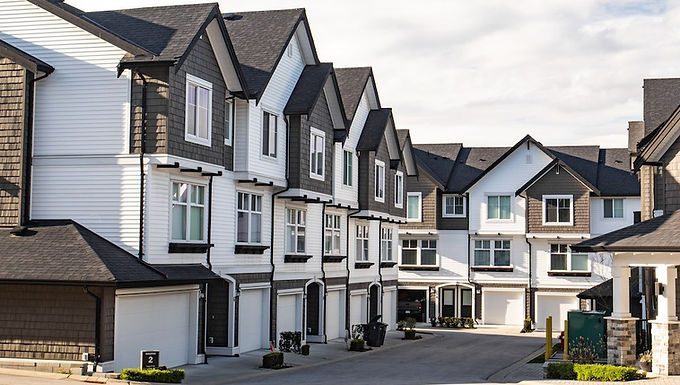
Condo Associations’ Responsibilities in Rhode Island
Condo associations in Rhode Island are responsible for managing common areas, enforcing rules, and overseeing the financial health of the community. This includes maintaining shared elements like roofs, landscaping, parking areas, and amenities.
Understanding How Condo Associations Work in Rhode Island starts with recognizing that associations operate as nonprofit entities governed by elected board members and guided by legal documents and state law.
Rhode Island Condominium Act
The Rhode Island Condominium Act provides the legal framework for how condo associations are created and managed.
This law outlines:
Ownership structure and common elements
Governance requirements
Financial obligations and disclosures
Rights of unit owners
A clear understanding of the Rhode Island Condominium Act helps boards stay compliant while making informed decisions.
Condo Association Bylaws
Every association operates under governing documents that define how decisions are made.
Condo Association Bylaws typically include:
Board structure and election process
Voting procedures
Meeting requirements
Financial controls
These bylaws work alongside Condo Association Rules and Regulations, which outline day-to-day expectations for unit owners and residents.
Condo Association Rules and Regulations
Rules and regulations ensure consistency across the community and protect shared property.
Common areas covered include:
Use of common spaces
Noise and occupancy limits
Maintenance responsibilities
Parking and pet policies
Strong enforcement of Condo Association Rules and Regulations helps maintain property standards and reduce disputes.
Responsibilities of Condo Board Members
Board members are responsible for making decisions that impact the entire association.
Core Responsibilities of Condo Board Members include:
Financial oversight and budgeting
Vendor management
Maintenance planning
Rule enforcement
Long term capital planning
Effective boards often partner with professionals specializing in Condo Management in Rhode Island to handle operations efficiently.
Condo Board Meeting Best Practices
Well-run meetings are essential to strong governance.
Condo Board Meeting Best Practices include:
Preparing and distributing agendas in advance
Keeping accurate meeting minutes
Maintaining transparency with owners
Staying compliant with legal requirements
Structured meetings lead to better decision-making and fewer conflicts within the community.
Financial Planning for Condo Associations
Financial stability is one of the most important responsibilities of any association.
This includes:
Annual budgeting
Managing operating funds
Planning for long-term capital expenses
Understanding Reserve Study Basics for Condo Associations is critical. Reserve studies help associations prepare for major repairs and replacements, reducing the risk of special assessments.
HOA vs Condo Association RI
While often used interchangeably, there are key differences in HOA vs Condo Association RI structures.
Condo associations typically manage buildings and shared interior/exterior elements
HOAs more commonly govern single-family home communities
Understanding the Difference Between HOAs and Condo Associations in RI is important when determining responsibilities, budgeting needs, and management requirements.
Choosing a Condo Management Company in Rhode Island
Many associations rely on professional management to streamline operations.
When Choosing a Property Management Company in Rhode Island, associations should evaluate:
Experience with condo communities
Financial reporting capabilities
Maintenance coordination
Communication systems
Working with a qualified management partner ensures consistency, compliance, and operational efficiency.
Condo Management in Rhode Island
Professional Condo Management in Rhode Island supports associations by handling day-to-day operations, financial management, and vendor coordination.
This allows boards to focus on governance while ensuring the community is properly maintained and financially stable.
Get a Proposal for Your Condo Association
Managing a condo association requires structure, planning, and the right operational support. If you need full-service Condo Management in Rhode Island, guidance on governance, or help with long-term financial planning, our team can help.
Request a customized proposal from The Hennessy Group to see how we can support your association.

