
End-of-Year Reserve Fund Checklist for HOAs
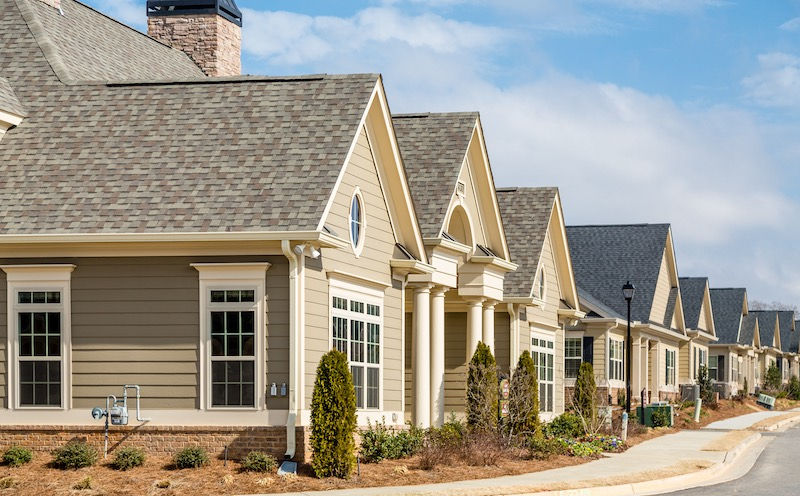
As the year winds down, HOA boards are busy closing financials, planning budgets, and preparing for the upcoming year. One of the most important tasks during this period is completing a thorough End-of-Year Reserve Fund Checklist for HOAs. This ensures your community remains financially strong, legally compliant, and fully prepared for the ongoing upkeep of its major components.
At Hennessy Reserve Partners, we specialize in reserve studies in Rhode Island, helping condo associations, HOAs, and community managers build long-term financial stability. Below is your year-end roadmap that is easy to follow, HOA-specific, and built for Rhode Island communities.
1. Review the Difference Between Reserve and Operating Budgets
Before diving into the checklist, it’s important to clarify the Difference Between Reserve and Operating Budgets:
Operating Budget: Covers day-to-day expenses (utilities, landscaping, snow removal).
Reserve Fund: Dedicated strictly to long-term, predictable capital components like roofing, paving, windows, siding, mechanical systems.
Many associations become underfunded because these two buckets get blurred. Ensuring these accounts are separate is your first end-of-year checkpoint.
2. Assess Your Current Reserve Fund Health
A year-end review must include a snapshot of your association’s financial positioning:
Key questions to ask:
Is Your HOA or Condo Association Underfunded? Compare your reserve balance to the estimated future expenses in your reserve study.
Are contributions keeping pace with inflation and component aging? Many associations fall short because contributions haven’t been adjusted for rising costs.
Has the board completed a recent study? If not, it may be time to Update Your Reserve Study in Rhode Island, especially if more than 3 years have passed or major projects have changed.
Your reserve study provides this baseline, so reviewing it annually is essential.
3. Update Component Conditions and Remaining Useful Life
Even with a full reserve study in hand, end-of-year is the best time to review major assets:
Roofs
Pavement
Decks & balconies
Siding
Elevators
Fire systems
Clubhouses & amenities
Walking these areas with your property management company in Rhode Island, maintenance staff or vendors ensures your reserve study remains accurate. Any changes in remaining useful life or project cost estimates should be flagged immediately.
This is also helpful for HOA and condo association property management teams who want transparency going into the new year.
4. Identify Projects Completed This Year
Update your reserve study data with all completed projects, such as:
Pavement and crack sealing
Clubhouse renovations
Elevator upgrades
Pool resurfacing
Roof replacements
Recording actual costs provides better forecasting and supports more accurate Creating a 30-Year Capital Plan.
5. Recalculate Funding Plans for the Next 30 Years
Your end-of-year checklist must include evaluating your long-term capital plan:
Does your current funding model keep you above 70% funded (the national benchmark for financial health)?
Do projected expenses spike in certain years?
Are you pacing toward future large projects?
A reserve professional can adjust inflation rates, project timing, and contributions to ensure your association doesn’t drift into underfunded territory.
This is where the value of how Reserve Studies Help Avoid Special Assessments becomes clear. A strong plan prevents sudden, unexpected fees that frustrate homeowners.
6. Check Rhode Island Legal Requirements
Rhode Island is strengthening its expectations around reserve studies. Your year-end review should include:
Understanding What Rhode Island Law Says About Reserve Studies
Ensuring your association's plan demonstrates responsible and proactive financial governance
Preparing documentation for upcoming annual meetings
While requirements vary based on association size and documentation, boards that stay ahead of compliance build trust and stability.
7. Address Board and Homeowner Questions (HOA Management FAQs)
Year-end is when boards face the most homeowner questions. Prepare answers for:
Why are reserve contributions increasing?
How is the reserve fund calculated?
What does a reserve study include?
Why does our community need a 30-year capital plan?
Having a clear, data-backed explanation reduces confusion and increases confidence. Consider adding a section in your annual meeting dedicated to Reserve Studies FAQ to clarify recurring questions.
8. Meet With the Right Partner for Your Reserve Study in Rhode Island
Your reserve study is only as strong as the professionals behind it. Working with the Right Partner for Your Reserve Study in Rhode Island ensures:
Accurate condition assessments
Reliable cost estimates reflecting RI contractors and inflation
A realistic, achievable long-term funding plan
Professional guidance in prioritizing projects
A trusted firm like Hennessy Reserve Partners helps Rhode Island HOAs avoid costly mistakes and maintain long-term financial strength.
9. Plan Your Updates for Next Year
An effective end-of-year checklist includes strategic planning:
Schedule your reserve study update or site visit
Identify vendor bids needed for upcoming projects
Set target reserve contribution increases
Build your communications plan for homeowners
With the right preparation, your HOA enters the next year with clarity instead of stress.
Final Thoughts on Your End-of-Year Reserve Fund Checklist for HOAs
Completing an End-of-Year Reserve Fund Checklist for HOAs ensures your community remains financially stable, compliant, and prepared for the future. Strong reserve planning protects property values, avoids special assessments, and supports responsible community governance.
If your board is ready for a year-end review or wants expert guidance, Hennessy Reserve Partners specializes in reserve studies in Rhode Island, including full studies, updates, financial analysis, and capital planning.


